
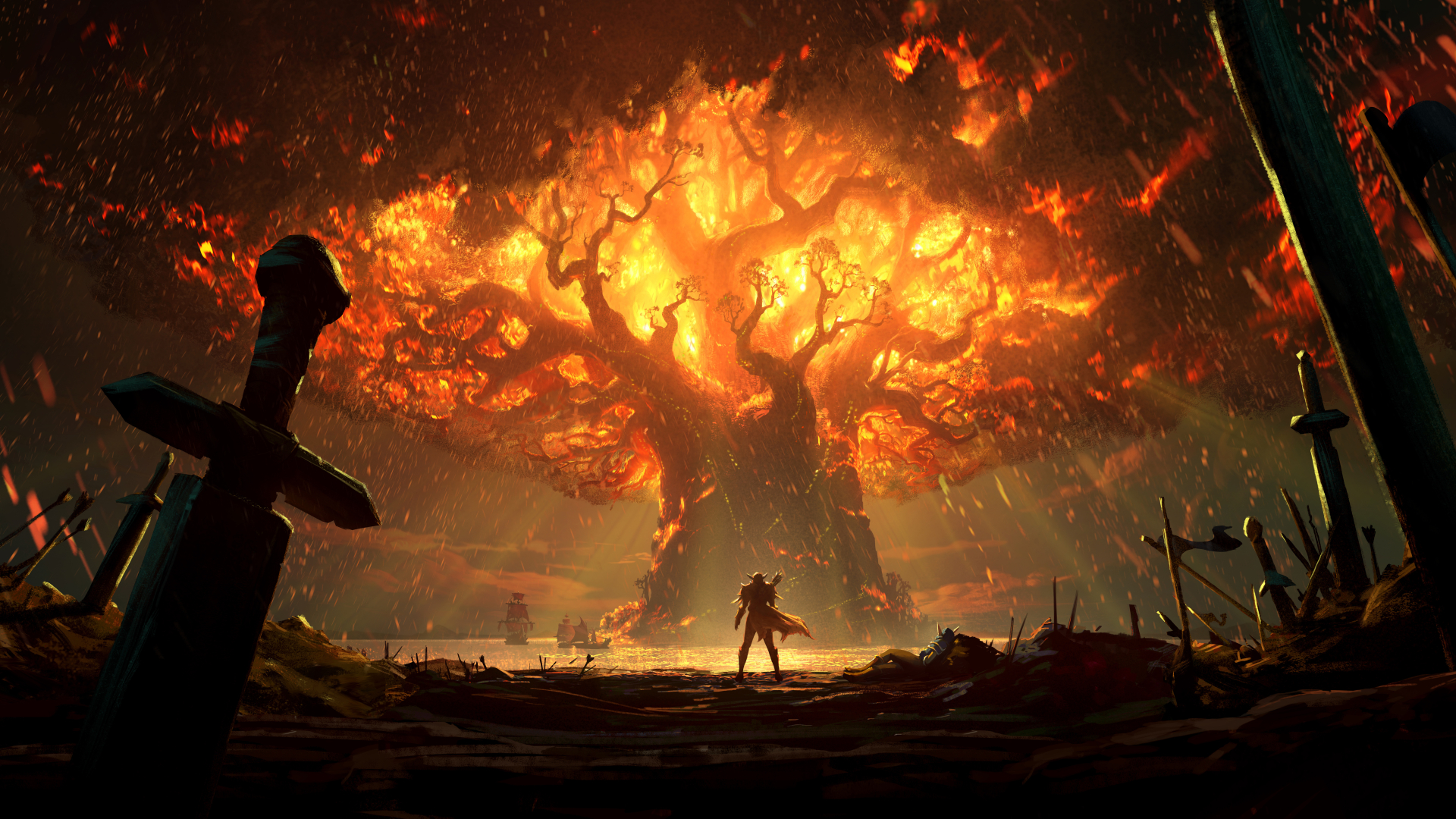
To quickly recover from a WoW raid wipe, first address common mistakes like poor positioning and timing during boss abilities. Optimize communication by assigning clear calling roles and using effective tools like Discord. Utilize class-specific resurrection abilities for swift revivals, and know checkpoints and shortcuts for faster respawns. Customize your UI for improved mechanic awareness and spearhead post-wipe analysis using tools like Warcraft Logs to enhance performance. Discover more techniques to master boss encounters and refine teamwork.
Key Takeaways
- Assign priority to resurrecting healers first to stabilize the group quickly.
- Use real-time communication to address role-specific errors and adjust strategies on the fly.
- Utilize class-specific resurrection abilities and engineering items to minimize downtime.
- Conduct post-wipe analysis to identify recurring mistakes and improve future attempts.
- Customize the UI to enhance awareness of mechanics and cooldowns for better recovery.
Understanding the Causes of Wipes

When you’re raiding in World of Warcraft, understanding the causes of wipes is essential to improving your group’s performance. Boss abilities often require precise timing and positioning; failing to anticipate telegraphed attacks can result in significant damage. Standing in harmful effects like fire or beams can lead to instant death and wipe the raid. Entering a fight without understanding mechanics can cause repeated failures, especially when complex mechanics make a single mistake devastating.
Role-specific errors also contribute to wipes. Tank positioning is vital; incorrect placement can expose the group to unnecessary damage. Healers not dispelling debuffs or maintaining tank health can lead to disaster. DPS errors, like standing in front of enemies or ignoring ground effects, add avoidable damage. Additionally, poor awareness from DPS and healers can result in missed critical mechanics. Understanding these factors is key to reducing raid wipes and enhancing overall performance. Learning often involves multiple wipes, as bosses are rarely defeated on the first attempt, making strategic planning crucial to minimize future wipe occurrences.
Effective Communication Strategies During Raids
During raids, effective communication starts with clear ability calls, ensuring every player understands when to use specific skills, which is essential for handling challenging encounters. Real-time strategy adjustments, facilitated by role-specific communication, allow teams to quickly adapt to unforeseen changes, minimizing the chances of a wipe. Over 70% of raids fail due to miscommunication, highlighting the importance of effective dialogue among team members. By assigning communication responsibilities according to roles, you maintain order and efficiency, enabling the team to respond swiftly and cohesively to dynamic raid situations.
Clear Ability Calls
How can you guarantee that your raid team communicates effectively during intense encounters? Start with clear role clarification to prevent confusion. Use voice chat or in-game messaging as your primary communication platform, making sure everyone hears vital updates. Implement UI alerts to notify players of important debuffs or abilities. Establish callout protocols with concise language for each mechanic, helping the team maintain focus and reduce errors. Designate a leader to direct the raid and make important calls. Visual aids, like in-game markers, offer clear coordination cues. Pre-encounter briefings make certain everyone understands the strategy, while post-wipe analysis helps identify mistakes. Customize your UI to highlight essential information, and encourage regular feedback loops to continually improve communication and performance. A solid grasp of mechanics prepares the raid team for formidable opponents, ensuring that mastering boss mechanics is a key focus in planning and executing strategies.
Real-time Strategy Adjustments
Effectively adjusting strategies in real-time during a raid requires a keen understanding of the encounter’s dynamics and the ability to communicate swiftly and clearly. Utilize boss mods to receive real-time updates on mechanics, guaranteeing your team remains aware and can react promptly. Adapt strategies based on the boss’s mechanics and team performance; this flexibility can be vital in overcoming unexpected challenges. Manage resources wisely, employing consumables and cooldowns at peak times to maximize raid performance. Familiarize yourself with encounter timings to plan healer cooldowns and DPS actions, ensuring that each role contributes to the raid’s success. Always reassess positioning to evade area-of-effect attacks and enhance damage output. Maintain flexibility in skill rotations to guarantee consistent damage, even when mechanics change unexpectedly. By setting clear objectives and coordinating team actions, you can effectively recover from raid wipes and improve overall performance.
Role-specific Communication
Although communication in raids can be challenging, establishing role-specific communication strategies is crucial for overcoming complex encounters. Start by defining each player’s role—tank, healer, or damage dealer—and guarantee everyone understands their responsibilities. Use role-based callouts to coordinate actions efficiently during battles. Real-time voice chat tools like Discord are indispensable for maintaining clear, direct communication, while in-game chat can handle quick messages when needed. Pre-raid briefings clarify strategies and roles, while post-raid analysis helps identify mistakes and successes. Provide constructive, role-specific feedback to enhance performance and encourage open dialogue to build trust among team members. Assign a designated leader to guide the team, ensuring everyone adapts to shifting raid dynamics and executes strategies effectively.
Utilizing Resurrection Techniques

When tackling the challenge of raid wipe recovery in World of Warcraft, utilizing resurrection techniques effectively is vital for minimizing downtime and getting back into the fight. Each class with resurrection abilities offers unique tools for reviving fallen allies. For instance, Druids can use their combat resurrection to bring players back during battle, while Warlocks use Soulstones to allow self-resurrection, often on healers, guaranteeing a quicker recovery post-wipe. Cooldown management is essential to maximize the utility of these abilities, with strategies like prioritizing combat resurrections for healers or using Goblin Jumper Cables as a backup plan. To optimize your resurrection strategy, consider the following:
- Utilize Class Abilities: Leverage class-specific resurrection spells like Priest Resurrection or Paladin Redemption outside of combat.
- Manage Cooldowns: Plan the use of abilities like Mass Resurrection to guarantee they’re available when needed.
- Enhance Raid Awareness: Customize your UI to improve reaction times and reduce errors.
Leveraging Checkpoints and Shortcuts
Leveraging checkpoints and shortcuts in WoW can greatly enhance your raid’s efficiency by minimizing travel time and allowing more attempts at bosses. Familiarize yourself with instance maps and know where checkpoints are located, so you can strategically plan your path, reducing downtime after wipes. Effective pathfinding techniques and clear communication are key to optimizing your route, ensuring your group remains focused and morale stays high during recovery phases.
Efficient Pathfinding Techniques
Understanding raid layouts is essential for efficient pathfinding, as it involves knowing the positions of obstacles, checkpoints, and shortcuts within the game environment. Checkpoints are vital for minimizing travel time and ensuring players align correctly during phase shifts. You should identify and utilize these strategic points to enhance coordination and reduce unnecessary movement. Incorporating shortcuts into your strategy can greatly enhance mobility, allowing for quicker repositioning and reducing damage taken from hazardous areas. Visual aids like WeakAuras can highlight important paths, aiding in precise navigation. Regularly analyzing raid logs will help you pinpoint common movement errors, leading to continuous improvement.
- Identify Checkpoints: Recognize key locations early for streamlined movement.
- Utilize Shortcuts: Save time and reduce damage by strategic repositioning.
- Practice Movement: Enhance efficiency through regular practice.
Time-Saving Recovery Tips
Mastering raid layouts not only enhances pathfinding but also greatly boosts your recovery time after a wipe. Familiarize yourself with instance layouts to identify checkpoints that allow respawning closer to bosses. This reduces downtime markedly. In some raids, mechanics like the Dream’s Blessing in Amirdrassil serve as shortcuts, speeding up the journey between boss attempts. A knowledgeable raid leader can guide your group efficiently through these shortcuts, guaranteeing minimal time wasted. Stay updated with game releases, as new expansions might introduce mechanics or checkpoints that alter recovery strategies. Additionally, use mass resurrection abilities for quick party revival, and keep engineering items like Goblin Jumper Cables handy. These strategies guarantee you’re back in the action swiftly after a wipe.
Optimizing User Interface for Raid Awareness

When optimizing your user interface for raid awareness in World of Warcraft, it’s crucial to configure your setup to display essential information clearly and efficiently. Customizing raid frames allows you to monitor buffs, debuffs, and health levels, which improves your situational awareness. Consider positioning these frames according to your role; healers benefit from having them centralized, while tanks and DPS might prefer them at the periphery. Additionally, using class colors helps you quickly identify team roles, enhancing overall awareness.
Enhance your interface by utilizing WeakAuras, which can track ability cooldowns and provide raid-specific alerts. Importing configurations from platforms like Wago.io can streamline the setup process. Implementing macros also boosts efficiency, reducing reaction times and clutter.
Here’s a quick list to enhance your UI:
- Customize raid frames to display critical information.
- Utilize WeakAuras for tracking and alerts.
- Implement macros for streamlined actions.
Enhancing Team Coordination and Performance
To truly enhance your World of Warcraft raiding experience, it’s not just about optimizing your user interface; it’s equally important to elevate team coordination and performance. Clear role assignments based on player strengths and weaknesses guarantee efficient synergy. Utilize voice chat tools like Discord for real-time strategy updates and quick adjustments. Pre-raid briefings are essential for discussing strategies and mechanics, setting a unified plan. During encounters, in-game chat provides immediate updates, keeping the team aligned. Recognizing boss ability cues helps anticipate mechanics, enabling your team to adapt strategies swiftly. Practice with raid simulators and training dummies to sharpen reaction times and improve coordination in managing debuffs and mitigating damage. Regular raid schedules and balanced team compositions, featuring a mix of tanks, healers, and DPS, promote reliability and efficiency. Foster a positive environment where victories are celebrated, and losses become learning opportunities, enhancing overall team dynamics.
Conducting Post-Wipe Analysis
How can you effectively identify the root causes of a raid wipe in World of Warcraft? Start by analyzing logs using tools like Warcraft Logs to review raid performance and pinpoint specific mistakes. This allows you to see where errors occurred, such as standing in harmful effects or failing to execute mechanics correctly. Look for error patterns that repeat, which can highlight areas needing improvement. Also, assess whether communication breakdowns contributed to the wipe, as clear and accurate communication is essential.
Consider these steps for a detailed analysis:
- Gear and Talent Issues: Evaluate if suboptimal gear or talent choices hindered performance, and make necessary adjustments.
- Environmental Hazards: Check if environmental hazards like AoE effects were not properly managed, causing unnecessary damage.
- UI Optimization: Enhance your UI with alerts for critical debuffs and boss abilities to improve situational awareness and avoid repeating mistakes.
Mastering Boss Mechanics and Timely Calls
Mastering boss mechanics and making timely calls are essential components in successfully maneuvering World of Warcraft raids. You need to understand phase shifts, as each boss fight consists of distinct phases with unique mechanics that require precise execution. Identifying key abilities and developing mechanic-specific strategies are important; recognize significant boss abilities to prevent unnecessary damage. Each role—tanks, healers, and DPS—has specific responsibilities, so guarantee clear role assignments. Practice and repetition are key for solidifying your understanding of complex mechanics.
Effective communication is imperative. Use voice chat for real-time updates about mechanics or strategy changes, and conduct pre-raid briefings to review mechanics. Make mechanic alerts to facilitate timely reactions and be ready to adapt strategies based on real-time feedback. Breaking down fights into smaller components and recognizing attack patterns can improve anticipation. Proper boss positioning and add management are essential for success, helping you to avoid environmental hazards and optimize performance.
Maintaining Morale and Positive Atmosphere
While steering through the challenges of World of Warcraft raids, maintaining team morale and a positive atmosphere is vital for long-term success. Positive communication is imperative—encourage open and constructive feedback to address errors without blame. Guarantee role clarity by making sure each team member understands their responsibilities, reducing confusion and frustration. View each wipe as a learning opportunity, focusing on improvement rather than failure.
To manage stress and frustration, implement stress-reduction techniques, such as taking breaks or using humor to lighten the mood. Provide constructive feedback that focuses on action and support, avoiding blame. Keep the team focused on improvement and overcoming challenges together.
Building resilience involves embracing failure as a stepping stone to success. Encourage adaptability and a positive mindset, seeing challenges as growth opportunities. Support each other through tough times and focus on continuous improvement.
- Positive Communication
- Stress Reduction Techniques
- Building Resilience

Frequently Asked Questions
What Consumables Help Prevent Wipes During Challenging Encounters?
You’ll want to stock up on essential consumables to prevent wipes during challenging encounters. Use flasks for stat boosts and potions for vital healing or damage. Food buffs provide class-specific enhancements, while elixirs offer additional stats like agility. Protection potions reduce elemental damage, and resistance sets mitigate specific elemental threats. Augment runes temporarily enhance gear, and mighty rage or greater stone shield potions boost damage and defense for melee classes and tanks.
How Can We Better Manage Raid Cooldowns to Avoid Wiping?
To better manage raid cooldowns and avoid those unfortunate hiccups, guarantee you’re stacking offensive and defensive cooldowns strategically, maximizing damage output and survivability. Sequence them to handle unexpected spikes, while timing optimization guarantees your abilities hit at vital moments. Utilize tools like Weak Auras and MRT Addon for precise tracking, and foster team coordination to synchronize cooldowns effectively. By doing this, you’ll minimize risks and maintain raid stability.
What Are Effective Strategies for Dealing With Unexpected Raid Composition Changes?
When dealing with unexpected raid composition changes, you should guarantee role flexibility by having players ready to switch roles, like a DPS to tank. Keep alternative gear sets prepared for these shifts. Maintain clear communication to avoid any confusion. Understand fight mechanics to adapt strategies swiftly. Balance healing roles for synergy and adjust DPS for maximum output. Leverage class synergies and practice regularly to refine strategies for improved adaptability.
How Do We Handle Raid Member Fatigue Impacting Performance?
Did you know that 60% of players report fatigue as a major factor affecting raid performance? To handle this, make sure you’re taking regular breaks to maintain focus and energy levels. Implement encounter planning to anticipate challenges, reducing stress. Consider enhancing your UI for better alerts, minimizing errors. Shorter raids with fewer bosses can also help, allowing you to enjoy the experience without the exhaustion of lengthy sessions.
What Are Some Effective Practices for Improving Individual Player Awareness?
To improve your individual awareness in raids, customize your UI to highlight critical abilities and debuffs, which guarantees you don’t miss important cues. Utilize visual aids like maps and charts to remember mechanics and hazards. Practice in controlled environments to build muscle memory, reducing errors during actual encounters. Additionally, prioritize threat management to prevent unnecessary aggro, and stay vigilant about environmental hazards to avoid taking unnecessary damage.
Conclusion
In the complex world of raid recovery, understanding wipe causes, communicating effectively, and using resurrection techniques are key to regaining momentum. By leveraging checkpoints and optimizing your user interface, you enhance raid awareness and coordination. Conducting post-wipe analysis and mastering boss mechanics allow for timely calls, ensuring improved performance. Maintaining morale keeps the team focused and positive. By integrating these strategies, you’ll recover from wipes efficiently, paving the way for successful raids.


Leave a Reply