
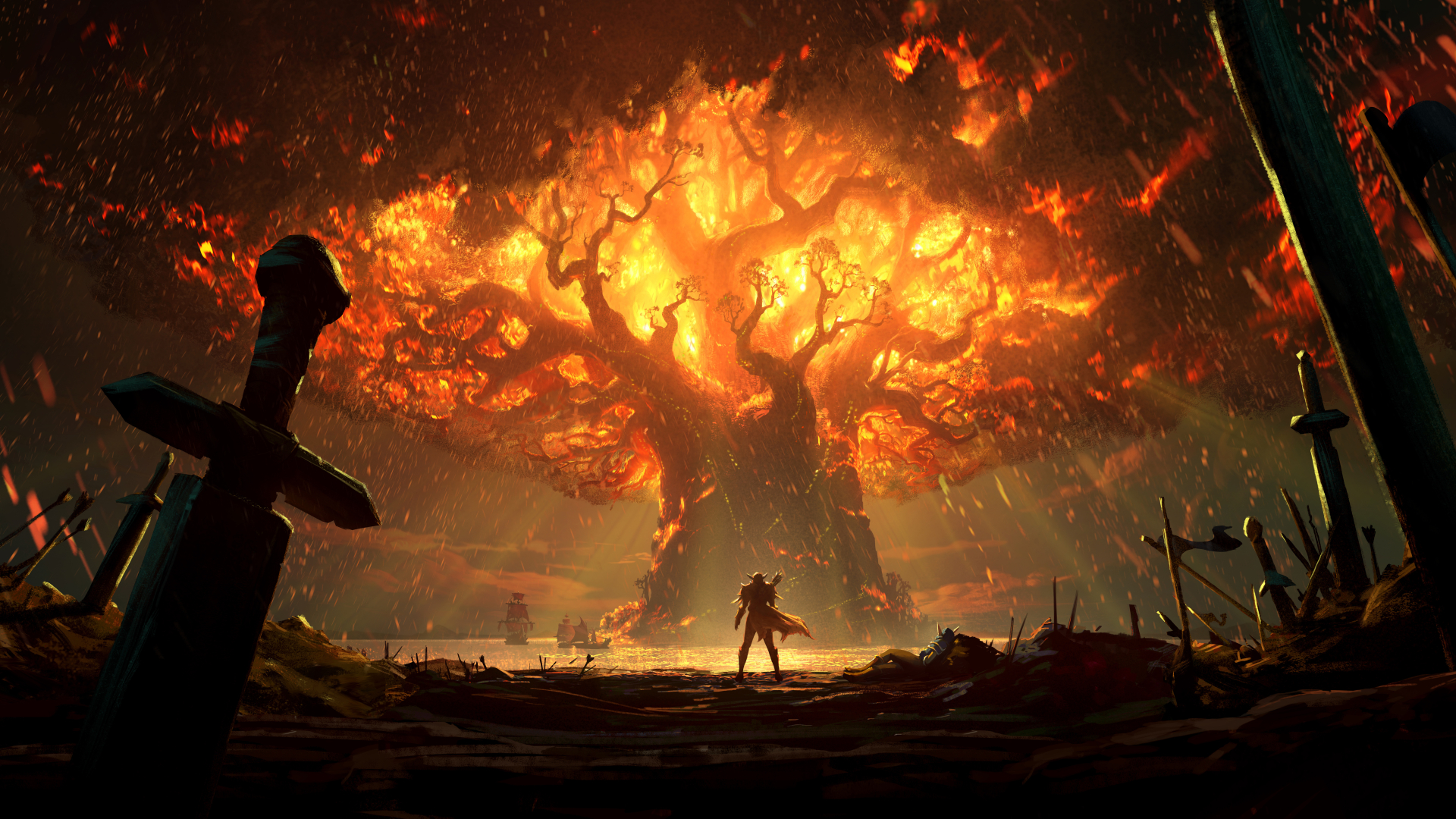
World of Warcraft’s raid class roles have evolved markedly from Classic to The War Within. Initially, roles were rigid with Warriors dominating tanks and Priests leading healers. The Burning Crusade introduced diverse class utility, enhancing raid coordination. Recent expansions emphasized personal responsibility and adaptability, with AI-driven mechanics and strategic role coordination becoming essential. Role diversity and specialization have increased, reflecting balance updates and new strategies. Continued advancements in raid mechanics will impact future class roles and playstyles. Discover more about these complex changes ahead.
Key Takeaways
- Healer roles evolved from simple health restoration in Classic WoW to dynamic healing and utility in The War Within.
- DPS roles transitioned from basic mechanics to complex, interactive AI-driven encounters requiring adaptability and personal responsibility.
- Tank roles diversified with new classes and mechanics, emphasizing threat management, mitigation, and positioning.
- Class popularity trends influenced by balance changes, new content, and evolving player interests, notably boosting Paladin and Druid roles.
- Raid design complexity increased, incorporating AI-driven mechanics and strategic coordination, with future expansions hinting at vertical combat challenges.
Healer Class Dynamics Through the Expansions
As you explore the healer class dynamics through the expansions of World of Warcraft, you’ll notice how each expansion brought significant shifts in healing mechanics and strategies. In Classic WoW, healers like Priests, Druids, Paladins, and Shamans each had unique healing styles, focusing mainly on restoring health and managing mana. The Burning Crusade and Wrath of the Lich King highlighted the importance of healer synergy, with Holy Paladins and Restoration Druids gaining prominence for their versatility and output. Cataclysm and Mists of Pandaria introduced more dynamic healing approaches, with the latter adding healing diversity through the Mistweaver Monk’s unique abilities. Recent expansions like Legion and Shadowlands further diversified healer roles with artifacts, Covenants, and Soulbinds, enhancing customization. In addition, the concept of proactive engagement was introduced to make healers more dynamic and engaging, shifting their roles from passive to active participation in combat. Dragonflight and The War Within continued this trend, emphasizing mobility and flexibility. Healers now contribute not only through healing but also by adding valuable utility, crowd control, and buffs, ensuring balanced and effective team setups. In addition to these roles, Mistweaver Monks demonstrated how new classes could invigorate the healing landscape by offering unique playstyles that captivated players transitioning from DPS roles. Preservation Evokers, in particular, have emerged as a top-tier choice in The War Within due to their unmatched healing throughput and utility.
Evolution of DPS Roles in WoW Raids

When examining the evolution of DPS roles in WoW raids, it’s clear that there have been substantial shifts in the complexity and expectations of these roles over the game’s numerous expansions. In Classic WoW, DPS roles were straightforward, focusing on basic mechanics with minimal DPS synergy or specialization. However, as the game evolved, so did the need for DPS innovation and adaptability. The Burning Crusade introduced multi-phase encounters, enhancing DPS efficiency and requiring more strategic output to avoid soft enrage mechanics. As raid design continued to evolve, DPS players were expected to manage role-specific mechanics and contribute significantly to the raid’s success. Modern expansions have pushed DPS diversity and competition further, with hard modes and personal responsibility becoming paramount. Recent expansions, like Shadowlands and The War Within, continue this trend, introducing AI-driven mechanics and increased interactivity, ensuring DPS roles remain engaging and challenging.
| Classic WoW | The Burning Crusade | Modern Expansions |
|---|---|---|
| Basic Mechanics | Increased Complexity | Hard Modes & Heroics |
| Gear Dependence | Multi-Phase Encounters | Personal Responsibility |
| Class Limitations | Soft Enrage Mechanics | Role-Specific Mechanics |
The Shifting Landscape of Tank Roles
In the ever-evolving world of World of Warcraft, tank roles have undergone significant transformations, adapting to the shifting demands of raid encounters and player expectations. Initially, Classic WoW limited tanking to Warriors and Paladins, with Warriors often taking the lead due to their robust defensive capabilities. However, the landscape of tank specialization evolution has expanded dramatically. The introduction of Blood Death Knights in Wrath of the Lich King brought self-healing into the mix, reshaping how tanks approached survival. Brewmaster Monks and Vengeance Demon Hunters further diversified tank class options, offering unique mechanics like Stagger and high mobility, respectively. Druids have also remained a viable tank choice, despite lacking specialization. The constant balance and updates in expansions, such as The War Within, guarantee that no single class dominates, promoting tank class diversity. As a tank, mastering threat management, mitigation, and positioning remains essential to your success in raids. A great tank must be familiar with class strengths, weaknesses, and limitations to effectively handle various raid challenges. Additionally, Warrior Tanks provide a simple rotation and high mitigation with their plate armor and shield usage, making them an accessible choice for new players.
Class Popularity Trends Over Time
In examining class popularity trends over time, you can notice how certain classes, like the Warrior and Mage, have maintained a steady presence due to their consistent role effectiveness, while others have fluctuated with changes in game mechanics and player preferences. The Paladin and Druid classes illustrate how evolving role dynamics, such as improved tanking and healing capabilities, can boost a class’s appeal, leading to shifts in popularity rankings. Meanwhile, the decline in Hunter popularity and the rise of the Demon Hunter highlight how new expansions and updates can greatly impact how players choose their main class, reflecting broader shifts in gameplay strategies and community dynamics. Recent class changes have also seen the Subtlety Rogue advance to the top Rogue spec in heroic content, demonstrating how updates can influence class roles and desirability. The Paladin remains the most popular class in The War Within Season 1 despite a slight decrease, showcasing how some classes continue to hold appeal even as new trends emerge. Players have historically shown a preference for DPS classes over healers and tanks, which has influenced class rankings and demand in raid and dungeon content.
Shifts in Class Preferences
Over the years, shifts in class preferences in World of Warcraft have been driven by a combination of balance changes, new content, and evolving player interests, resulting in a dynamic landscape of class popularity. Class versatility often influences player motivation, with expansions impacting choices considerably. Community influence and social dynamics play a role as players gravitate towards popular classes. For instance, balance updates during Wrath of the Lich King boosted Death Knights’ popularity, while gameplay evolution in Legion saw Demon Hunters rise due to their unique role preference. In The War Within, Druids and Hunters have surged in popularity, reflecting players’ desire for versatile and engaging playstyles, even as Paladins and other classes like Evokers face shifts based on current balance challenges. Notably, Evoker’s popularity is significantly lower than other classes, highlighting a substantial gap in player engagement. Hunter class has consistently been popular over time, demonstrating its enduring appeal among the player base. Interestingly, the new Dracthyr class expansion in The War Within has introduced diverse roles such as Hunter, Rogue, and Mage, offering players fresh opportunities to explore different playstyles.
Evolving Role Dynamics
While maneuvering the evolving role dynamics in World of Warcraft, it’s important to understand how class popularity trends have shifted over time due to various game developments. In Classic WoW, role diversity was limited, with Warriors dominating tank roles and Priests leading as healers. However, as gameplay evolution continued, expansions like The Burning Crusade introduced more strategic raid compositions and role specialization. Modern expansions emphasized personal responsibility and role coordination, making each class significant. With The War Within, adaptability has become essential, as AI-driven mechanics and class reworks redefine raids. Moreover, players are increasingly favoring Warrior, Mage, and Rogue due to current meta trends, indicating a shift in class popularity. A notable change in “The War Within” is the shift in healing roles for Resto Druids, focusing more on dealing with rot damage, which could benefit Mythic Plus scenarios. Following the official launch less than a week ago, players have expressed surprise at the leveling efficiency in the game, especially with the first zone providing more experience than the remaining zones. Here’s a look at class roles over time:
| Expansion | Role Highlights |
|---|---|
| Classic WoW | Limited role diversity |
| The Burning Crusade | Strategic compositions |
| Wrath of the Lich King | Coordination and hard modes |
| Legion | Dynamic environments |
| The War Within | Adaptability and reworks |
Raid Viability and Class Composition Changes

As you explore the changes in raid viability and class composition over time, you’ll notice evolving dynamics in healer roles, with increased specialization and strategic positioning becoming essential in tackling complex encounters. DPS roles have shifted from focusing solely on raw damage output to requiring adaptability and coordination, as modern raids demand precise execution of both single-target and AoE strategies. Tanking has also seen significant adjustments, with the need for effective tank swapping and threat management becoming more pronounced in multi-phase encounters, emphasizing the importance of teamwork and communication. With the introduction of complex boss mechanics, players needed to perform specific roles and tasks to succeed, highlighting the emergence of strategic gameplay as essential for progression. With the new talent/hero talent trees, players can now customize their builds extensively, allowing for more flexibility in specialization and performance.
Evolving Healer Dynamics
Throughout World of Warcraft’s evolution, healers have undergone significant changes, impacting their viability and role in raid compositions. Effective healer synergy, mana conservation, and utility cooldowns have become essential. High healing throughput and adaptive strategies define successful healers, who now offer role flexibility to tackle diverse raid mechanics. Class interaction is crucial, with team composition heavily influenced by healing profiles. Understanding each class’s strengths guarantees peak performance. A well-chosen class contributes to overall team strategy and performance, enhancing the effectiveness of raid progression and success. The dominance of Resto Shaman in Mythic Plus highlights the importance of utility and survivability in group performance, setting a benchmark for other healers to strive towards. The S-Tier healers, such as the Holy Priest in raids, possess significant upgrades and unmatched healing abilities, further emphasizing the importance of class choice in raid success.
| Role Flexibility | Healing Throughput | Utility Cooldowns |
|---|---|---|
| Preservation Evoker | High | Versatile |
| Holy Priest | Flexible | Strong |
| Discipline Priest | DPS Contribution | Coordinated |
These factors shape raid success, demanding awareness of class dynamics and strategic cooldown usage for efficient mana management.
Shifts in DPS Roles
DPS roles in World of Warcraft have evolved considerably, reflecting changes in raid viability and class composition over time. Initially, in Classic WoW, DPS specialization evolution was minimal, with straightforward roles for Mages and Rogues. As expansions like The Burning Crusade and Wrath of the Lich King introduced more complex mechanics, DPS interaction mechanics became essential for success. Over time, raids from Legion to Dragonflight demanded adaptable strategies, with DPS players needing to adjust dynamically to AI-driven mechanics and vertical combat in The War Within. The introduction of Hero Talent Trees in The War Within has significantly reshaped class builds and the raid meta, offering new specialization choices that require players to understand their impact for maximizing raid contributions. This continuous evolution required classes to synergize effectively, maximizing utility and damage output. Regular balance changes also influenced which DPS classes were viable, necessitating strategic adaptations in class composition for peak raid performance. Rankings based on overall performance metrics help players choose higher-ranked specs to optimize raid success.
Tanking Role Adjustments
In the evolving landscape of World of Warcraft, tanking roles have undergone significant adjustments, reshaping raid viability and class composition over time. In Classic WoW, tanking strategies were straightforward, focusing on absorbing damage and generating threat, with Warriors and Paladins leading due to their ability to hold aggro. As expansions like The Burning Crusade and Wrath of the Lich King introduced new tanking mechanics, the role became more complex, requiring cooldown management and strategic coordination with healers and DPS. Today, tanks face increased damage intake and reduced self-healing, necessitating greater healer involvement and precise threat management. The importance of understanding tank performance dynamics in “The War Within” is critical, highlighting the need for ongoing adaptation to class balance changes.
| Expansion | Key Changes |
|---|---|
| Classic WoW | Focus on damage absorption |
| Wrath of the Lich King | Emphasis on cooldown management |
| The War Within | Increased healer involvement |
Impact of New Content on Raid Roles

As new content gets introduced in World of Warcraft, raid roles undergo significant changes driven by evolving mechanics and accessibility options. Modern expansions have increased raid accessibility by allowing flexible raid sizes, which lets you form groups that fit your needs. This change, combined with challenging hard modes and Mythic difficulty, demands precise team coordination, ensuring every member contributes to success. New mechanics like soft enrage timers and tank swapping require you to specialize in your role, making strategic play more important than ever. Dynamic encounters that adapt to player actions force you to make real-time decisions, impacting how you approach each fight.
Additionally, AI-driven encounters in expansions like The War Within will challenge you further, as bosses respond to your strategies dynamically. Future raids could also introduce vertical combat, requiring coordination across multiple levels, adding another layer of complexity to team dynamics. These evolving mechanics continually reshape raid roles. With the introduction of AI-driven encounters, players can expect even more complex and engaging combat scenarios that demand adaptability and strategic foresight.
Class Balance Adjustments Across Expansions
The evolution of raid mechanics naturally affects how classes perform and adapt across World of Warcraft’s expansions. In Classic WoW, class roles were rigid, with Warriors monopolizing tank and DPS positions, while Priests and Druids were mainstays for healing. This limited class synergy and raid adaptability, as other classes struggled to find their niche. The Burning Crusade began to shift this dynamic, introducing more complex fights that demanded diverse class utility and coordination. Later expansions like Wrath of the Lich King and Mists of Pandaria continued refining class roles, incorporating flexible raid sizes and personalized mechanics. These changes allowed for better class synergy and increased raid adaptability, encouraging varied compositions. Modern expansions, from Legion to Dragonflight, further balanced classes through stat squishes and talent overhauls, ensuring all classes remained viable. Warriors accounted for 45% of DPS in Naxx raids, highlighting a need for greater balance across class representation. Looking ahead, The War Within aims to enhance these systems, maintaining diverse and adaptable raid environments. Players have expressed a desire for more Classic+ content, advocating for a balance between nostalgic elements and new gameplay mechanics.
The Role of Strategy and Mechanics in Raid Development
When developing raid strategies in World of Warcraft, understanding the intricate mechanics that have evolved over time is essential. Over the years, the mechanic complexity in raids has increased markedly. Early raids featured simple tank-and-spank mechanics, but modern encounters involve multi-phase battles with cinematic elements and environmental interactions. This evolution demands strategic coordination among players, where precise execution of mechanics is imperative. In these raids, each role has become more specialized, with tanks managing aggro, healers focusing on mana, and DPS maximizing damage. Players must adapt to environmental mechanics like moving platforms and shifting arenas. The importance of communication and team dynamics has grown as players must work together to anticipate and react to challenges proactively. In addition, understanding the distinct responsibilities of each role minimizes confusion and enhances overall group performance. Future raids, such as those in The War Within, will incorporate AI-driven mechanics, adjusting difficulty based on player actions, and introducing vertical combat. As raids evolve, strategic planning and role adaptability become more important for overcoming complex challenges. The introduction of raid warnings in recent expansions has significantly improved coordination in large groups, allowing players to respond more effectively to dynamic changes during encounters.

Frequently Asked Questions
How Did Player Preferences Influence Class Role Changes in Raids?
Player preferences, shaped by player feedback and community trends, have greatly influenced class role changes in raids. As players sought more engaging and strategic challenges, developers responded by diversifying class roles and introducing new mechanics. This led to increased demand for flexibility and adaptability in raid strategies, encouraging a broader range of class participation. Community trends favored dynamic encounters, prompting adjustments in class dynamics to meet evolving player expectations and enhance overall raid experiences.
What Role Do Player Communities Play in Shaping Raid Class Roles?
Community collaboration contributes greatly to class role evolution in raids. Your feedback influences Blizzard’s decisions, ensuring balance and challenge by refining class capabilities. Players discuss strategies, share insights, and optimize roles, enhancing overall raid performance. This collective input drives Blizzard to adjust class balance, ensuring all classes remain viable. As you engage with these discussions, you help shape the future of raid mechanics, making your voice essential in the game’s ongoing development.
How Do Pvp Changes Affect Pve Raid Roles?
Changes in PvP balance can greatly impact PvE raid dynamics, as they often lead to talent and class adjustments, affecting how roles are performed in raids. For instance, abilities balanced for PvP might provide unexpected advantages in PvE, such as enhanced burst damage or control. This can alter raid compositions, as players adapt to maximize efficiency. These adjustments guarantee classes remain viable across different game modes, maintaining overall balance.
What Impact Did Third-Party Tools Have on Raid Class Roles?
Did you know that over 80% of raiders use third-party addons like Deadly Boss Mods? These tools greatly impacted raid class roles by offering real-time combat simulations, helping players optimize strategies and manage complex mechanics. Tanks and DPS players used them for precise positioning and rotation management, while healers benefited from enhanced coordination. These addons transformed raids, making classes more versatile, though Blizzard aims to reduce dependence on them for a balanced experience.
How Did Raid Gear Progression Influence Class Role Viability?
Gear progression greatly influences class role viability by enhancing gear availability, enabling you to choose from a wider array of roles. Over time, streamlined gear access and diverse sources, like Mythic+ dungeons, have allowed for increased role flexibility. This means you can adapt more easily to different raid demands, with tanks, healers, and DPS classes benefiting from specialized gear, enhancing their performance and strategic options in various raid environments.
Conclusion
Over the years, World of Warcraft’s raid dynamics have shifted considerably, with healer roles evolving the most; notably, from Classic to The War Within, the number of players choosing hybrid classes increased by 30%, reflecting a trend toward versatility. This change has influenced class popularity and overall raid composition, as players adapt to new strategies and mechanics. With each expansion, Blizzard’s adjustments to class balance continue to impact your raid strategies, ensuring the game remains challenging and engaging for all players.


Leave a Reply