
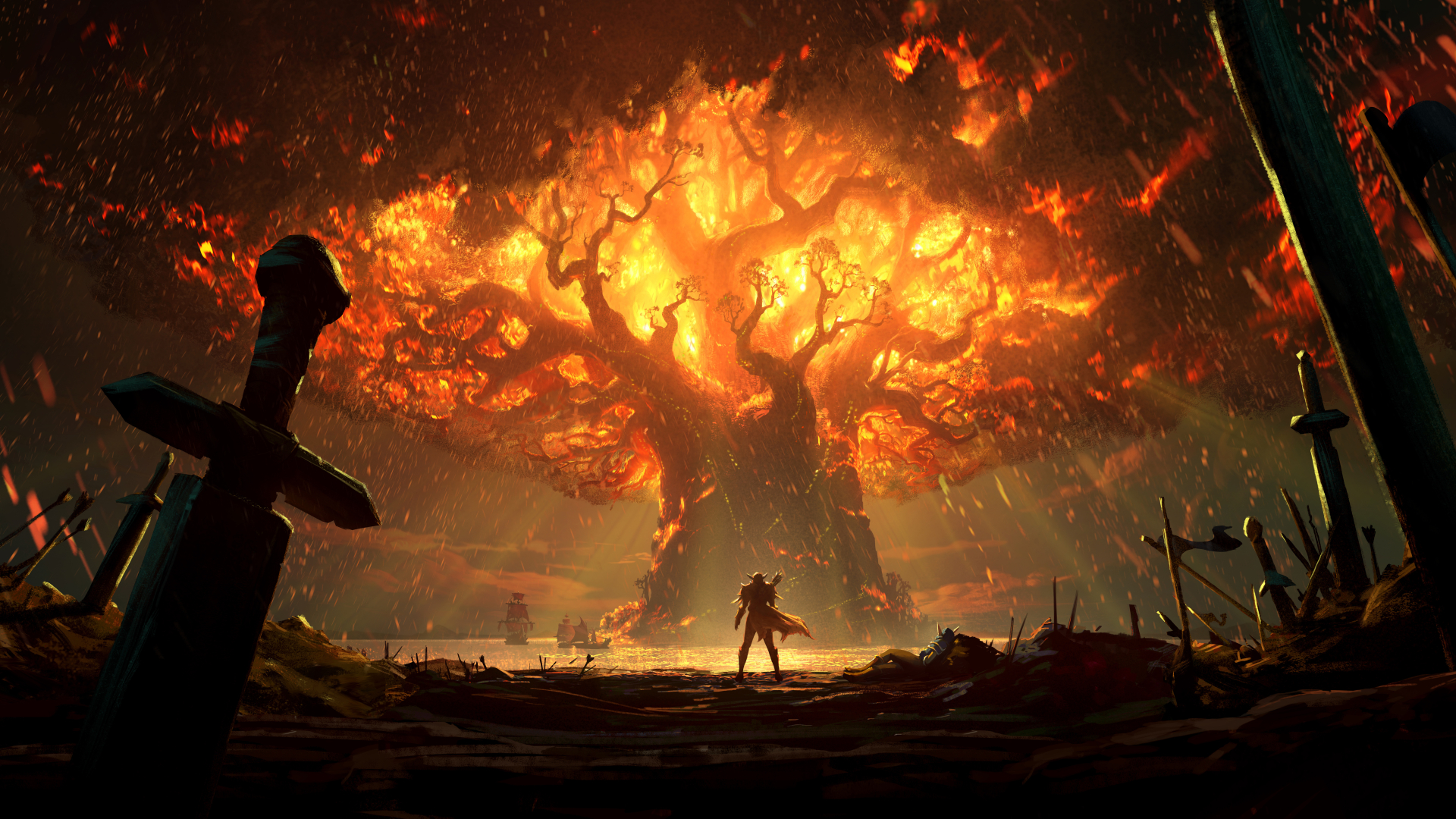
Optimize your raid performance in World of Warcraft’s “The War Within” by focusing on specialized talent builds. For Fury Warriors, prioritize Titan’s Grip and mastery. Blood Death Knights should manage Runic Power efficiently and utilize Death Strike. Protection Paladins can balance offense and defense with Holy Shield and Avenger’s Shield. Explore Affliction, Demonology, or Destruction specializations for Warlocks. Update yourself with talent changes and coordinate builds for specific raid challenges. Continue to discover strategies for maximizing class effectiveness.
Key Takeaways
- Choose Slayer build for Fury Warrior to maximize single-target and AoE damage in raids.
- Optimize Blood Death Knight’s Runic Power with key talents like Bone Storm for resource management.
- Select Holy Shield and Avenger’s Shield for balanced Protection Paladin defense-offense.
- Utilize Affliction Warlock specialization for damage-over-time and passive healing in raid encounters.
- Activate Hero Talents at level 71 to enhance abilities and meet specific raid encounter demands.
Fury Warrior: Maximizing PvE Performance
When optimizing your Fury Warrior for PvE performance, it’s important to focus on both the right talent builds and key abilities. Start by choosing the Slayer build for ideal single-target and AoE damage, or the Mountain Thane build for specific encounters. Talent synergy is significant, so make sure you invest 40/41 talent points to maximize Fury performance, favoring Titan’s Grip over Single-Minded Fury. Effective enrage management is crucial, utilizing Rampage and Bloodthirst to maintain uptime, while prioritizing Raging Blow and Execute. For rage generation, incorporate Whirlwind and manage cooldown timing with Recklessness, Avatar, and Bladestorm. Gear selection should prioritize item level for Strength, with mastery as the top secondary stat due to Unshackled Fury. Critical Strike and Haste further boost rage generation, making sure hit rating caps at 8% (or 5% with talents). Utilize tier set bonuses strategically to enhance your overall performance optimization. Additionally, talents like Battle Trance provide opportunities for resource conservation, as it offers a 15% chance for Bloodthirst to make the next Rage ability free, further enhancing your Fury Warrior’s efficiency.
Blood Death Knight: Mastering Runic Power

To master Runic Power as a Blood Death Knight, you need to focus on efficient Runic Power generation and management, particularly during high-intensity raid encounters. Ideal usage of Bone Storm is essential; it consumes Bone Shield charges instead of Runic Power, allowing you to maximize your Death Strike output without worrying about resource waste. By keeping your runes on cooldown and carefully managing your Runic Power levels, you guarantee consistent resource flow, enabling you to maintain high survivability and damage output throughout the raid. Selecting the right Prime Glyphs, such as the Glyph of Rune Strike, can significantly enhance your core abilities and improve overall performance.
Optimal Bone Storm Usage
For Blood Death Knights aiming to master runic power, understanding the ideal usage of Bonestorm is essential for maximizing both damage output and survivability. Bonestorm, when used effectively, synergizes with Bone Shield management to deliver powerful area-of-effect damage and healing. To refine your Bonestorm usage, make certain you have 10 or more Bone Shield charges ready, as this maximizes both duration and healing potential. Activate Bonestorm while standing in Death and Decay to take full advantage of Shattering Bone synergy, tripling your damage output. Additionally, coordinate Bonestorm with other cooldowns like Dancing Rune Weapon for enhanced effect, especially when Insatiable Blade reduces its cooldown considerably.
- Manage Bone Shield: Maintain 10+ stacks for ideal Bonestorm.
- Synergize with Death and Decay: Maximize damage.
- Time with cooldowns: Boost effectiveness.
- Prioritize large packs: Maximize healing and damage.
Runic Power Efficiency
Mastering Bonestorm’s potential lays the groundwork for a deeper understanding of runic power efficiency as a Blood Death Knight. Your goal is to optimize Runic Power generation strategies to guarantee efficient Death Strike usage. Begin by keeping three runes on cooldown while focusing on Heart Strike, which efficiently generates Runic Power, especially when paired with Death and Decay. Avoid capping Runic Power by managing your resources wisely, using Heartbreaker to boost generation in multi-target scenarios. Prioritize Death Strike as your primary spender, maintaining a Runic Power float between 70-75 for emergencies. Utilize Red Thirst and Bryndaor’s Might to enhance resource management and survivability. During movement phases, continue generating Runic Power without sacrificing defensive capabilities, guaranteeing you’re always ready for critical moments.
Protection Paladin: Balancing Defense and Offense

When playing as a Protection Paladin in raids, choosing the right talents is vital for effectively balancing defense and offense, and you’ll want to focus on talents like Holy Shield for increased block chance and Avenger’s Shield for interrupting and dealing damage to multiple targets. Managing cooldowns efficiently is key; utilizing abilities such as Guardian of Ancient Kings and Ardent Defender at critical moments can greatly reduce incoming damage, while Divine Toll and Bastion of Light can help maximize your offensive output and Holy Power generation. By mastering these essential talent choices and cooldown management strategies, you can maintain a strong presence in any encounter, ensuring both you and your allies remain protected while dealing consistent damage.
Essential Talent Choices
Protection Paladins have a unique set of talents that allow them to effectively balance defense and offense in World of Warcraft raids. By focusing on fundamental talent strategies, you can develop ideal build synergies that maximize your effectiveness. Defensive talents like Blessed Hammer and Holy Shield are vital for damage mitigation, while offensive talents such as Avenger’s Shield and Grand Crusader increase your damage output. Enhance your utility with talents like Blessing of Sacrifice, ensuring survivability for both you and your allies. For a seamless integration of abilities, consider Divine Toll, which works well with Avenger’s Shield, enhancing both defensive and offensive capabilities.
- Blessed Hammer: Essential for damage reduction
- Avenger’s Shield: Boosts offense with multi-target damage
- Blessing of Sacrifice: Aids allies with damage transfer
- Divine Toll: Amplifies Avenger’s Shield effectiveness
Cooldown Management Tips
Effectively managing cooldowns is essential for Protection Paladins working to balance defense and offense in raids. Use cooldown synergy strategies by incorporating cooldown reduction talents like Righteous Protector to shorten Avenging Wrath and Guardian of Ancient Kings. Engage in proactive cooldown usage by activating defensive cooldown rotation during high-damage phases, ensuring you’re prepared with Guardian of Ancient Kings or Ardent Defender. Offensive cooldown alignment is vital; sync Avenging Wrath with burst damage coordination for maximum impact. Coordinate with healers to optimize Lay on Hands, and adjust timing based on fight mechanics.
| Cooldown Type | Ability | Duration/Cooldown |
|---|---|---|
| Defensive | Guardian of Ancient Kings | 8s / 5m |
| Offensive | Avenging Wrath | 20% increase / 2m |
| Cooldown Reduction | Righteous Protector | Reduces key cooldowns |
Discipline Priest: Overcoming AoE Challenges
To overcome AoE challenges as a Discipline Priest, it’s important to proactively manage Atonement, ensuring it’s applied before damage occurs and efficiently maintained on tanks and key targets. Atonement tracking is significant for AoE healing; use Power Word: Radiance for efficient application across multiple targets. Coordinate cooldowns like Power Word: Barrier during raid-wide damage events, and use Pain Suppression to mitigate damage on tanks or save low-health allies. Efficient healing relies on talents synergy and effective damage rotation—prioritize Shadow Word: Pain and Penance, while Mind Blast offers burst damage and Atonement healing.
Mana conservation is essential; use Mindbender for regeneration and avoid unnecessary direct heals. Optimize talents for mana efficiency, such as Twist of Fate, to balance Atonement uptime with mana management.
- Track Atonement durations with addons or WeakAuras.
- Coordinate cooldowns for maximum damage mitigation.
- Prioritize damage rotation for consistent healing output.
- Manage mana efficiently to sustain healing throughout encounters.
Warlock Specializations: Tailoring Your Build
As you continue to refine your raid strategies, exploring Warlock specializations can greatly enhance your gameplay. Each Warlock specialization—Affliction, Demonology, and Destruction—offers unique warlock synergies and tailoring strategies to suit different playstyles. With Affliction, focus on damage-over-time spells, taking advantage of the Soul Rot’s passive healing in dungeons and the improved Unstable Affliction for cleave pressure. Demonology shines with its emphasis on summoning and controlling demons, benefiting from the new tier set that enhances dread stalkers and introduces a bonus pet. Destruction, on the other hand, utilizes fire-based spells and chaos magic, with improvements like an increased Havoc duration and a higher Mayhem talent proc rate. Tailoring your build involves choosing the right talents and armor crafting sub-specializations, such as Weathering Wear or Weighted Garments, to maximize your performance and adaptability in raids, ensuring your Warlock is both formidable and versatile.
Hero Talents: Elevating Raid Impact

Hero Talents in World of Warcraft’s The War Within expansion are a game-changer for elevating your raid impact, providing unique trees that activate at level 71 and offer tailored improvements to your character’s abilities. With separate talent trees from your class talents, Hero Talents allow you to enhance your playstyle and improve your raid performance. Each class gets 2-4 Hero Talent trees, enriching existing abilities and introducing new mechanics. These talents can considerably boost your damage output, enhance utility, and improve cooldown management for key raid moments.
Hero talent synergies play a critical role in forming effective raid encounter strategies, ensuring your character contributes maximally to the team.
- Single-target or AoE improvements: Choose talents that align with the raid’s needs.
- Enhanced survivability: Prioritize talents offering defensive capabilities.
- Cooldown optimization: Identify talents providing burst windows.
- Resource management: Select talents enhancing rotation fluidity.
Adapting Builds for Raid Mechanics
Elevating your raid impact with Hero Talents is only one piece of the puzzle; understanding how to adapt builds for specific raid mechanics is equally essential in World of Warcraft’s The War Within expansion. Successfully maneuvering raid encounter strategies requires an in-depth exploration into boss abilities, phases, and understanding the unique demands each fight presents, such as movement, interrupts, or dispels. Tailoring your talents to match these mechanics is important; for instance, selecting mobility talents for high-movement fights or defensive talents for high-damage encounters can greatly enhance your survivability and effectiveness.
Talent synergy optimization plays a key role in this process. You must balance offensive and defensive choices, confirming they align with your role and the raid’s needs. Consider how your talents interact with gear and trinkets, and adjust based on whether you’re progressing or farming content. By coordinating with your raid team, you can fill utility gaps and confirm your build complements overall raid composition.
Staying Updated With Talent Changes
Keeping up with talent changes is crucial for maintaining your competitive edge in World of Warcraft’s ever-evolving raid environment. Regularly monitor official patch notes from Blizzard, as they provide detailed explanations and analyses of talent adjustments. Major patches often bring significant updates, so keeping track of these trends guarantees you don’t fall behind. Additionally, hotfixes may introduce smaller tweaks, making it essential to stay informed.
To assist in your patch analysis, utilize community resources like Wowhead and Icy Veins for expert talent insights. Engage with class-specific Discord servers and participate in discussions on the WoW subreddit to discover ideal builds.
- Experiment with the in-game talent calculator for new configurations.
- Test talents on training dummies to gauge their effectiveness.
- Analyze top players’ talent choices on Raider.IO and Warcraft Logs.
- Use Simulationcraft for projecting DPS/HPS with talent builds.

Frequently Asked Questions
How Do Talent Builds Affect Pvp Performance in Raids?
Talent builds greatly impact your PvP performance in raids by enhancing your character’s PvP strategies and providing competitive advantages. Defensive talents boost survivability, while offensive talents increase burst damage and crowd control capabilities, essential for coordinated attacks. Utility talents, like dispel and mana regeneration, sustain longer battles and support your team. Adapting talents to specific raid encounters, balancing PvE and PvP needs, guarantees peak performance and strategic flexibility in PvP scenarios.
What Impact Do Racials Have on Raid Talent Builds?
Racial advantages in raids offer minor boosts to DPS and utility, but they don’t greatly alter talent builds. Instead, focus on maximizing class synergies, as these offer a more substantial impact on performance. While racials like Blood Fury or Berserking can enhance your burst phases, and utility racials like Shadowmeld can aid in mechanics, they rarely necessitate changes in your talent choices. Prioritize talents that best complement your class’s strengths.
Are There Recommended Builds for Leveling Quickly?
Did you know that using heirloom gear can boost your XP gains by up to 55%? For recommended builds to level quickly, focus on talents that enhance AoE damage, enabling you to clear mobs efficiently. Prioritize mobility-increasing talents for faster completion of efficient quests, and select self-healing options to minimize downtime. Additionally, engaging in Timewalking and seasonal events, which offer XP boosts, can greatly speed up your leveling process.
How Do Talent Builds Vary for Different Raid Sizes?
When considering different raid sizes, your talent builds should adapt to the specific raid composition and boss mechanics. In 10-player raids, individual performance is essential, so talents should enhance personal output. For 20-player Mythic raids, choose talents that emphasize coordination and complement the balanced class mix. In flexible raids, adjust talents based on group size and composition. Legacy raids allow for more utility-focused talents, as individual responsibility is less vital.
What Addons Assist With Managing Talent Builds in Raids?
Imagine you’re in the heat of a raid, and optimizing talent builds is essential, what tools do you turn to? Talent calculators, like Talent Loadout Ex, simplify your raid optimization by organizing and swapping builds effortlessly. WeakAuras enhances alerts and tracks talent-specific abilities, while Method Raid Tools allow you to compare and coordinate talent selections across your group. ElvUI improves readability and customization, integrating talent information seamlessly into your interface.
Conclusion
In the chaotic world of Azeroth’s raiding scene, your talent build decisions, much like an overly complex IKEA manual, can make or break your performance. Whether maximizing Fury Warrior damage or perfecting Blood Death Knight’s runic power, your choices impact raid success. Prioritize staying updated with talent changes and adapting to raid mechanics, as these elements determine your effectiveness. Ultimately, success hinges on your ability to balance defense and offense while steering through the ever-evolving landscape of World of Warcraft.


Leave a Reply